

Teachers in educational institutions perform various concurrent duties, including creating lesson plans, managing classrooms, and providing emotional support to their students. Elevated stress levels create burnout conditions that affect educators’ health and their performance in delivering instruction. The practice of mindfulness helps teachers who lead busy lives develop stress-management skills and improve their teaching methods.
Understanding Mindfulness
The practice of mindfulness emerged from Eastern traditions, and modern people have adapted these techniques for contemporary life. The practice allows individuals to become aware of their mental and physical experiences without adding any assessment or evaluation. People who practice present-focused awareness eliminate concerns about the future and the past, which creates both mental peace and clarity. Teaching professionals find mindfulness particularly helpful for managing emotional challenges in the classroom while also building better classroom relationships.
Benefits of Mindfulness for Educators

1. Stress Reduction: Through its teachings, mindfulness enables educators to become better at recognizing and controlling their emotions, thus reducing their stress levels. Regular mindfulness practice reduces anxiety and burnout symptoms, thereby improving overall health.
2. Improved Focus: The practice of mindfulness improves focus through better attention, which leads educators to deliver more effective communication and deliver better teaching during lessons and meetings.
3. Enhanced Emotional Regulation: The practice of mindfulness enables teachers to enhance their emotional control abilities, thus creating better classroom environments. Students benefit from emotional regulation when teachers display healthy emotional responses to them.
4. Better Student Relationships: Educators who practice mindfulness develop stronger relationships with their students because they improve their ability to understand and empathize with others. This empathetic approach fosters stronger teacher-student relationships and a more supportive learning environment.
5. Increased Creativity: Educational practitioners who practice mindfulness techniques can boost their creative abilities to create new approaches for lesson planning and teaching methods that better engage their students.
Mindfulness Techniques for Educators
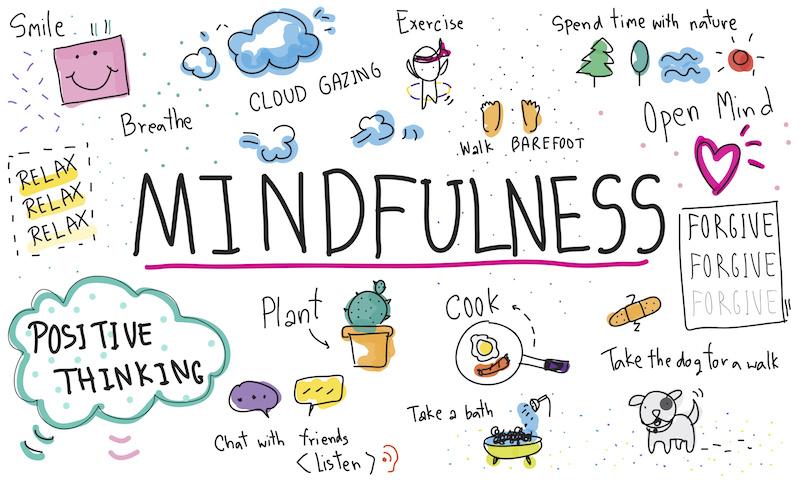
1. Breathing Exercises: A simple practice of breathing exercises can be performed by educators anytime they have brief moments between their classes. Breathing exercises help educators relax mentally and reduce stress.
2. Body Scan Meditation: Through Body Scan Meditation, educators learn to lie down or sit comfortably before moving their awareness through each body part while releasing tension during the process. This method is an efficient way to relax and recover.
3. Mindful Walking: During a hectic day, Mindful Walking offers students a quick break when they walk mindfully while feeling their feet touch the ground one at a time.
4. Loving-Kindness Meditation: Through Loving-Kindness Meditation, practitioners learn how to send positive thoughts both to themselves and others, which builds compassion between individuals. The practice serves well in handling challenging situations with students or colleagues.
5. Guided Meditations: The use of guided meditations found both online and in apps provides structured mindfulness practice to assist beginners in meditation.
Integrating Mindfulness into Teaching Practices
1. Mindful Moments in Class: Educational sessions should contain brief mindfulness practices that benefit students by helping them maintain their focus and reach relaxation. The practice requires only one minute of deep breathing combined with a few seconds of body scanning.
2. Mindful Communication: The practice of mindful listening and speaking improves communication between students and colleagues. The practice promotes both attentive listening and considered replies, which result in enhanced interactions between people.
3. Creating a Mindful Classroom Environment: A mindful classroom environment emerges when teachers design spaces using calming colors and nature sounds, which establish peaceful conditions for learning.
4. Mindfulness-Based Lesson Plans: The development of mindfulness-based lesson plans enables students to build emotional intelligence skills while gaining self-awareness abilities.
Overcoming Challenges to Mindfulness Practice
2. Skepticism: School personnel who doubt mindfulness can overcome their skepticism through a brief personal experience of its positive impact.
3. Support from Colleagues and Administrators: A school-wide mindfulness initiative receives backing from both colleagues and administrators, which helps educators maintain their mindfulness practice.
Implementing Mindfulness in Schools
Schools serve as key institutions to support mindfulness development among their teaching staff. Schools establish well-being and resilience cultures through their professional development programs, which include mindfulness training or by implementing mindfulness workshops. Educational benefits from mindfulness implementation spread to students, which creates better learning conditions for both groups.
Conclusion
The practice of mindfulness provides teachers with an effective way to manage their stress and develop more effective teaching practices that lead to improved student achievement. Educators who practice mindfulness techniques in their daily lives develop inner clarity and peace, which enhances their teaching effectiveness while providing them with satisfaction. Mindfulness integration across educational spaces shows promise to revolutionize both educators and educational settings, while developing environments grounded in compassion, creativity, and resilience. Educators who use pauses to harness their teaching passion will create a more supportive classroom environment that better engages their students. Implementing this approach benefits teachers and supports the development of a more effective educational system.
