
A Teachers Best Friend
Life Coaching for Teachers!
Empowering Educators to Thrive, Not Just Survive
Maybe you want to apply for a promotion, a new position, or an award, but you just need some support and help to do it. Let’s talk! Schedule a 15-minute chat with me to discuss how I can support you in your journey!
Our Services at a Glance

Workshops & Group Coaching

Consulting for Schools

One-on-One Coaching

E-Courses

Teacher Circles

For Teacher Leaders
From Survive to Thrive Teacher Program
The From Survive to Thrive Teacher Program is an opportunity for you to be part of a collaborative, positive, empowering group of like-minded teachers facilitated by a professional life coach (that’s me!). So think of it as the cathartic power of relating to a colleague after a long tough day combined with the encouraging accountability of a coach that keeps you looking forward instead of stagnated in negativity!
Here are the details:
- A small group setting (4-6 teachers max)
- Meeting virtually (via phone) from anywhere across the country
- Once a week for one hour (we want to keep momentum driving but not take too much of your busy teacher time!)
Latest Updates From Our Blog

How Coaching Transforms First-Year Teachers into Confident Professionals
Student teaching can be an exciting yet challenging experience when you begin your first year as a classroom leader. The process of managing lesson planning, classroom discipline, and the emotional demands of teaching, along with professional requirements, becomes too much for many new instructors to handle. Through coaching, first-year teachers develop into confident professionals. Coaching provides individualized guidance, emotional support, and practical techniques that help new teachers succeed in their profession. Through coaching, new educators undergo this transformation.
Understanding the Challenges of First-Year Teachers
The first year of teaching presents teachers with a challenging learning experience as they adapt to real classroom conditions. The daily demands of teaching exceed what teacher preparation programs teach, so new educators must learn to adapt and stay strong. The primary obstacles new teachers face include managing student diversity, maintaining classroom order, preparing appropriate lessons, and fulfilling administrative requirements.
The Role of Coaching in Supporting New Teachers
The coaching methodology provides structured flexibility for supporting first-year teachers. Professional development programs provide general training, but coaching delivers individualized support tailored to each professional’s specific educational needs. Coaches work with teachers to identify development areas and set practical goals with effective success methods.
Building Confidence Through Mentorship
The main advantage of coaching emerges from its ability to provide mentors who guide educators. The role of coaches includes being experienced mentors who give both support and specific feedback to teachers. The mentorship process enables new teachers to build confidence in their skills through positive reinforcement of their strengths and non-critical evaluation of their weaknesses.
A coach will observe classroom management techniques, then provide development suggestions alongside recognition of successful moments. The combination of encouragement and helpful criticism creates development opportunities that strengthen self-confidence.
Enhancing Classroom Management Skills

First-year educators often consider classroom management as their most challenging teaching duty. Through effective coaching, teachers receive hands-on learning tools that help them establish order in their classrooms while building positive learning spaces. Coaches teach new teachers to establish clear standards, maintain consistent protocols, and implement restorative practices to address behavioral problems.
Early acquisition of these skills helps new teachers build confidence in their ability to manage classrooms with diverse student populations. The combination of reduced stress, improved student engagement, and better academic results occurs through these practices.
Improving Instructional Practices
The coaching process focuses on developing new educators’ teaching methods to ensure they deliver superior educational content. With their guidance, coaches help educators develop engaging lesson plans that align with curriculum standards and incorporate modern educational practices. The coaches present different educational approaches, including active learning alongside differentiated instruction, to help teachers meet diverse student requirements.
Coaches demonstrate effective teaching practices to educators through observations and co-teaching sessions. Practical instruction enables novice educators to observe effective instructional strategies they can implement in their own teaching practice.
Providing Emotional Support
Professors face high emotional demands in their work, which requires both personal care and emotional strength. First-year teachers receive emotional support from their coaches through active listening and acknowledgment of their situations, while they receive motivational feedback during difficult periods.
When teachers experience workload pressure or student conduct issues, their coach will offer guidance combined with performance tracking to help them manage the situation. New teachers benefit from better stress management through emotional support, enabling them to remain committed to their teaching profession.
Fostering Reflective Practices

Educational professionals need reflection as a fundamental tool to advance their professional development. The coaching process teaches novice teachers to practice reflection through experience evaluation, success recognition, and failure detection.
Coaching sessions guide teachers in developing analytical abilities, helping them perform unbiased assessments of their work. The reflective process helps teachers better understand themselves, enabling them to make informed decisions about their educational practice.
Encouraging Collaboration
The coaching method establishes first-year teacher collaboration by pairing them with colleagues who understand their situations. Educators benefit from group coaching sessions and professional learning communities because these platforms enable them to learn from one another and discuss challenges and achievements.
A community framework helps teachers feel connected to one another, minimizing their sense of isolation while enabling them to grow together. New teachers can learn from their peers’ teaching experiences through collaborative school environments, which foster professional networks.
Tracking Progress Over Time
The process of effective coaching requires teachers to establish quantifiable goals that they monitor throughout time. Coaches collaborate with novice instructors to set distinct goals focused on classroom management, instructional techniques, and individual skill-building. Scheduled meetings between educators and their coaches enable both parties to assess progress toward goals and receive continuous feedback on their performance.
The systematic coaching method helps teachers maintain their development path by recognizing their achievements along the way.
Long-Term Impact of Coaching
Coaching produces enduring advantages that extend beyond the initial year of teaching. The implementation of early coaching provides educators with fundamental competencies, including self-confidence and adaptability, that lead to lasting professional success. Coaching helps teachers stay in their profession by providing both professional support and role empowerment.
Educators who display confidence create favorable learning environments that foster academic and emotional growth among their students. When coaching succeeds, it creates a chain reaction that benefits teachers as individuals and extends throughout entire school environments.
Conclusion
First-year teachers become confident professionals through coaching, receiving individualized assistance and mentorship alongside skill-building, emotional support, reflection practices, collaborative opportunities, and progress monitoring. This comprehensive approach helps new educators handle professional challenges and build skills across all career domains.
Schools need to invest in coaching programs for first-year teachers beyond 2025, as these initiatives will ensure teacher success and professional development, which directly affect student learning and school achievement.

Breaking the Silence: Addressing Teacher Stress and Mental Health
Teaching professionals face mounting stress that damages their mental health status and creates consequences for both educational staff and their students. The profession of teaching brings many rewarding aspects, but teachers face substantial obstacles that result in burnout alongside anxiety and depression. Resolving these problems is essential to protect teacher well-being and preserve educational quality. This essay provides a detailed analysis of teacher stress factors, their effects, and possible resolution approaches.
The Causes of Teacher Stress
Teaching presents multiple daily challenges because teachers must handle their many duties. The main stress factors teachers experience stem from their heavy workload, strict time constraints, insufficient administrative support, and disruptive student behavior. Educational institutions expect teachers to achieve high academic results while supervising large student groups with limited educational resources. The stressors grow stronger because of institutional requirements, ongoing curriculum reforms, and standardized testing mandates.

Teachers experience emotional stress because they need to act as caregivers to their students. Teachers provide counseling services to students who need help with personal or academic issues, yet this responsibility can lead to emotional exhaustion. The difficulty in detaching from work duties after their shifts intensifies their stress levels and leads to persistent exhaustion and fatigue.
The Impact on Mental Health
When stress persists, it creates major negative effects on teachers’ mental well-being. Burnout—a state of physical and emotional exhaustion—is one of the most common outcomes. Teaching professionals experience symptoms of irritability, decreased motivation, persistent fatigue, and feelings of personal ineffectiveness. When teachers experience burnout, they struggle to concentrate, develop work-related cynicism, and tend to avoid social interactions with colleagues and students.
The prevalence of anxiety, together with depression, continues to rise among those working in education. Research findings demonstrate that stress, which teachers perceive as high, leads to greater anxiety and depression symptoms. Depression causes people to develop relationship issues, which diminish their work performance until they stop coming to work completely or retire prematurely. The consequences of untreated mental health problems may result in permanent disability when severe.

The chain reaction of teacher stress extends beyond individual teachers. Studies confirm that teachers’ mental health status directly affects classroom teaching standards and student academic outcomes. Depressed educators face challenges when they try to develop engaging teaching materials and build positive student relationships, which, in turn, diminish educational success.
An Effort to End Teacher Silence about Stress
Recognizing the prevalence of teacher stress and its effects represents the starting point for addressing this issue. Schools need to create mental health dialogue spaces because this action both reduces stigma and enables educators to seek assistance when needed. The availability of mental health resources, including employee assistance programs and counseling services, proves essential for improving the situation.
Effective Interventions: The reduction of teacher stress depends on several proven evidence-based interventions.
Mindfulness-Based Practices: Mindfulness practices help teachers lower stress levels through relaxation and improved emotional self-control. Research shows that combining mindfulness programs with yoga or cognitive-behavioral therapy (CBT) reduces burnout among teachers.
Stress Management Training: The resilience workshops provide teachers with valuable strategies to manage workplace challenges. Two stress management techniques, namely progressive muscle relaxation and inquiry-based stress reduction (IBSR), help people reduce physical and emotional tension.
Administrative Support: School administrators need to establish supportive work environments as their primary duty to decrease teacher work-related stress. The school should support teachers by allocating adequate resources and reducing bureaucracy, while promoting staff collaboration.
Work-Life Balance Initiatives: School administrators should establish wellness programs and flexible scheduling options for employee assistance programs and help create a balance between professional and personal responsibilities.

Peer Support Networks: Teachers benefit from peer support groups because they enable mutual sharing of experiences and strategies and promote schoolwide community building.
Policy Changes for Long-Term Solutions
Systemic policy changes are the necessary solution to address teacher stress. School boards, together with governments, need to allocate funds to establish mental health programs throughout educational institutions. Implementing more counselors, smaller classes, and evaluation procedures that reduce educator pressure is necessary.
Policies should establish professional development programs that teach educators about mental health and stress management. Teachers who receive training in emotional intelligence and conflict-resolution skills gain the ability to handle difficult situations professionally.
Empowering Teachers Through Technology
Technology provides modern solutions that help maintain teacher mental wellness. Stress management and mindfulness practice apps offer teachers easy-to-use tools they can access during breaks and after their shifts. The virtual counseling platforms allow educators to find professional help while staying at home.

The power of online communities connects educators across the world to share experiences of common challenges. The exchange of experiences on forums and social media groups builds solidarity between educators and provides them with useful stress management techniques.
Conclusion
The worldwide effort to create better school environments depends on ending the practice of ignoring teacher mental health issues. Schools need to focus on the root causes of stress, including excessive workloads and insufficient support, to take meaningful actions to improve educator well-being.
Mindfulness practices, combined with administrative support systems and peer networks, lead to substantial reductions in teacher burnout and improvements in job satisfaction. Systemic policy adjustments are vital to create lasting solutions that will benefit both teaching professionals and their students.
Teacher mental health prioritization supports both individual teachers and maintains educational quality across the board. Teachers who maintain mental and emotional well-being are better able to inspire students and create educational spaces that foster development across the board.

5 Signs You Might Need a Life Coach (And How It Can Change Your Career)
The current fast-paced lifestyle makes it challenging to handle both personal and professional difficulties. Numerous people get trapped in their current circumstances because they lack direction toward their objectives. Life coaching is a customized support system that helps people set goals and overcome challenges to achieve maximum results. The following article examines five warning signals that suggest life coaching could be helpful to you, and explains how coaching affects your career development.
Understanding Life Coaching
A life coaching relationship forms when a coach and client work together to set and reach individual professional and personal goals. Life coaching focuses on strategic development rather than healing past wounds, as in therapy, so it helps people develop success strategies for the present and future. Through their work with clients, coaches help their customers build mental clarity and increase their confidence to achieve specific personal and professional goals.
5 Signs You Might Need a Life Coach

1. Feeling Stuck or Uncertain: Sticking with indecision about work direction and personal life leads many people to seek professional coaching assistance, which guides them toward defining their future goals.
2. Lack of Motivation: A lack of motivation, together with feelings of demotivation, prevents people from advancing in their personal and professional lives. A coach helps you recover your lost passion by teaching you methods to sustain your forward movement.
3. Overwhelm and Stress: The essential elements for maintaining good well-being include proper stress management and work-life balance control. Life coaching provides operational methods and practical strategies to manage stress effectively and to design self-care approaches.
4. Career Transition or Growth: A life coach assists people who want to change careers or advance in their current position through a successful career transition.
5. Desire for Personal Growth: Seeking a life coach becomes necessary when someone wants to strengthen their personal relationships, grow their emotional intelligence, or develop leadership abilities.
Through life coaching, you will experience a career transformation
1. Clarify Career Goals: A coaching process enables you to discover your natural abilities, personal interests, and core principles, thus enabling you to recognize your perfect career path.
2. Develop a Career Strategy: A coach enables you to design specific strategies that target your professional goals, whether you seek growth in your current occupation or want to switch fields.
3. Enhance Professional Skills: Through coaching, you can work on particular abilities, including leadership skills, along with communication methods and time handling techniques needed for career development.
4. Build Confidence and Resilience: Through self-doubt resolution and confidence development, coaching enables you to tackle fresh challenges while overcoming professional setbacks better.
5. Improve Work-Life Balance: Coaching teaches professionals to strike the right equilibrium between their professional duties and personal needs because career progression must never sacrifice their general health and happiness.
Types of Coaching

1. Career Coaching: directs its efforts towards career development through role-finding missions and professional growth advancement.
2. Executive Coaching: This coaching method delivers its benefits specifically to executives and leaders by improving their leadership capabilities and their ability to make strategic choices.
3. Wellness Coaching: The coaching practice delivers essential services for keeping people mindful of their physical wellness and mental support for stress management and maintaining their health habits.
4. Life Transition Coaching: Supports individuals through significant life changes, such as retirement or major career shifts.
Overcoming Skepticism About Coaching
Several people express doubts about the benefits of coaching and resist seeking professional guidance. Coaching is a non-judgmental, collaborative process that empowers clients to achieve their objectives.
1. Understanding the Coaching Process: Learning about the principles of coaching and its advantages helps to ease doubts.
2. Finding the Right Coach: Your success in coaching depends heavily on your selection of a coach who matches your requirements and personal values.
3. Focusing on Growth: The growth-oriented approach of coaching enables you to recognize it as a platform for developing both personally and professionally.
Implementing Coaching in Your Life

The implementation of coaching into your life requires you to follow these steps for success:
1. Identify Your Goals: Determine your coaching objectives since they can include either personal development or professional growth.
2. Seek Out a Coach: Select a coach from the pool of available options who specializes in the aspects that match your objectives.
3. Commit to the Process: Attending coaching sessions regularly and actively participating in the process will help you achieve maximum benefits.
Conclusion
Life coaching is an effective tool that helps people achieve better career success and personal growth. Identifying coaching signs along with career transformation knowledge helps you take purposeful actions toward your goals. Coaching helps you define goals, create effective strategies for success, and stay motivated to reach them. As you progress in coaching, your life experience will transform, enhancing your career performance and overall well-being and leading to greater fulfillment. When you accept coaching as your approach, it reveals your complete potential to find clear direction through all life’s challenges.

From Chaos to Clarity: How Coaching Helps Teachers Regain Control
A teaching career demands both deep subject knowledge and perfect organizational abilities, emotional intelligence, and advanced classroom management skills. Modern educational requirements create an excessive workload for teachers, who struggle to maintain professional control over their lives. The personalized coaching method has proven effective in restoring clarity and confidence in teachers’ professional work. The article demonstrates how coaching practices reshape teaching methods, promote better teacher mental health, and achieve superior student achievement.
Understanding Teacher Coaching
Teacher coaching enables trained professionals to collaborate with educators through a process of performance improvement assessment, goal setting, and strategy development. The individual needs and challenges of teachers form the basis of coaching as a professional development method, which differs from traditional approaches. The strategy targets improving teaching methods, classroom organization, and staff welfare development.
Benefits of Coaching for Teachers
2. Enhanced Classroom Management: Teachers who learn better classroom management methods establish controlled classrooms that promote respect while decreasing stress and boosting productivity.
3. Increased Confidence: Teachers who participate in coaching develop professional autonomy, which builds their teaching self-assurance and strengthens their classroom leadership.
4. Better Work-Life Balance: Coaching teaches educators to place their health first, which enables them to handle professional stress effectively and establish better work and personal life harmony.
5. Supportive Community: Through coaching, teachers gain access to a supportive network that combats their feelings of isolation while building a sense of community among their peers.
How Coaching Works

The coaching process unfolds through multiple sessions between the coach and teacher for the following purposes:
1. Identify Goals: Teachers should establish particular, realistic objectives that pertain to their teaching methods, classroom organization, or individual health improvement.
2. Analyze Challenges: The analysis of teacher challenges leads to developing effective solutions for their resolution.
3. Develop Action Plans: Teachers need to build comprehensive action plans that outline their new strategy deployment steps and performance tracking methods.
4. Reflect and Adjust: Teachers should check their progress while acknowledging their accomplishments through periodic evaluation, which leads to strategy adjustments.
Types of Coaching for Teachers

1. Instructional Coaching: Instructional Coaching concentrates on developing teaching methods that lead to better student achievement results.
2. Classroom Management Coaching: The coaching model for classroom management teaches teachers how to establish successful methods for controlling student conduct and building an active learning space.
3. Wellness Coaching: Wellness Coaching centers on teacher well-being by offering support to handle stress and maintain equilibrium between work and personal life.
4. Peer Coaching: The peer coaching model connects teachers with colleagues to receive assistance from those who understand their situation.
Overcoming Resistance to Coaching
Educators sometimes show an initial reluctance toward coaching because they doubt its effectiveness or fear evaluation. The coaching process is a non-assessment-based teamwork approach that helps teachers achieve their objectives.
1. Understanding the Coaching Process: Educators need to understand coaching methods along with their advantages to reduce their concerns.
2. Building Trust: A coach must build trust with their teacher partner before executing successful coaching practices.
3. Focusing on Growth: Coaches should highlight the growth-focused aspects of coaching to show teachers that professional development opportunities exist instead of receiving criticism.
Implementing Coaching in Schools
Educational institutions should incorporate coaching into their professional development programs to actively promote it. This can involve:
1. Providing Access to Coaches: Schools should make sure teachers obtain access to trained coaches who deliver individualized support.
2. Encouraging Participation: The school should motivate teachers to join coaching programs through benefit explanations, along with performance-based rewards.
3. Supporting a Coaching Culture: The development of a coaching culture requires schools to establish a work environment where coaching serves as an essential method for teacher advancement.
Case Studies of Successful Coaching Programs

Multiple educational institutions have launched coaching initiatives that have improved teacher morale and student academic achievement. A California school achieved significant reductions in teacher departure rates after implementing its comprehensive coaching system. The program offered teachers professional development opportunities to improve their teaching methods, stress management, and work-life balance.
Conclusion
Through coaching, teachers gain an effective way to regain professional control and improve their teaching, leading to better student achievement. Through tailored assistance, coaches help instructors develop practical methods for classroom organization, improve instructional delivery, and enhance teacher self-care. The growing awareness about coaching in schools enables administrators to build spaces where teachers receive support and empowerment for professional success. The educational community benefits from educators who accept coaching, as it guides them from disorder to understanding, thereby transforming their teaching practice. Implementing this approach benefits teachers and improves educational quality, resulting in better learning environments for students. Educational institutions that incorporate coaching will help teachers and the entire learning system by creating environments that promote development and strength while achieving exceptional outcomes.

Creating Boundaries Without Guilt: A Guide for Compassionate Teachers
Teachers typically demonstrate both dedication and compassion toward their students. The selfless behavior of teachers sometimes results in excessive workloads and disregard for their personal limits. For educators to deliver high-quality support to their students while preserving their well-being, they must establish healthy boundaries that support career sustainability. This piece examines how caring educators can set limits without experiencing self-doubt, thereby improving their personal well-being and teaching performance.
Understanding the Importance of Boundaries
Setting boundaries is necessary to achieve work-life balance. Establishing boundaries enables teachers to determine their capabilities and limits, thereby avoiding excessive responsibilities. When educators lack clear boundaries, their work-related tasks become overwhelming, leading to burnout and decreased classroom effectiveness.
Recognizing the Signs of Overcommitment

Many teachers struggle to identify the point at which their commitment to work responsibilities becomes excessive. Teachers need to watch for three main indicators of overcommitment, including persistent tiredness and emotional fatigue, and trouble stepping away from work responsibilities during personal downtime. Educators who notice these signs must establish protective boundaries for their well-being.
Strategies for Setting Boundaries
1. Communicate Clearly: Educators need to establish clear limits that they should express to their peers and both students and their families. Educators need to establish proper expectations regarding both their response speed and their presence in the workplace.
2. Prioritize Tasks: Teaching professionals should direct their efforts toward essential student learning activities while postponing or assigning lower-priority responsibilities to others.
3. Use Technology Wisely: Teachers should establish technology limits by avoiding work-related communication after their regular hours.
4. Schedule Personal Time: Personal time needs to be scheduled as a vital appointment that deserves the same respect as other important meetings.
5. Seek Support: Develop relationships with colleagues and advisors who comprehend teaching difficulties so they can help you establish professional boundaries.
Managing Guilt and Self-Doubt
Teachers who demonstrate compassion toward their students may feel guilt and doubt when establishing personal boundaries. Personal boundaries serve as an essential foundation for teaching sustainability and effectiveness, so teachers should understand that their value exceeds mere selfishness.
1. Reframe Boundaries as Self-Care: Establishing boundaries functions as an important self-care method which serves the best interests of teachers and their students.
2. Focus on Quality Over Quantity: It is more beneficial to deliver exceptional support within designated work hours instead of trying to handle too many responsibilities.
3. Practice Mindfulness: The practice of mindfulness will help teachers manage their stress and create inner peace, which reduces feelings of guilt.
Creating a Supportive School Culture
The establishment of healthy boundaries by teachers receives essential support from schools through their commitment to educator welfare. Schools that foster a supportive environment for teacher well-being will enable educators to attend to their own needs without guilt.
1. Professional Development: Schools should organize educational programs about creating boundaries, together with programs for personal care.
2. Administrative Support: Administrators should demonstrate and provide backing for staff boundary maintenance initiatives.
3. Peer Support Groups: Teachers should create mutual support groups to exchange experiences about boundary maintenance methods.
Integrating Boundaries into Teaching Practices

1. Boundary Setting in the Classroom: Students need to understand during their classes precisely what classroom expectations are and how they should reach out to you outside of scheduled times.
2. Prioritizing Tasks: Teachers should dedicate their time to activities that directly benefit student learning while giving other responsibilities to colleagues.
3. Technology Use: Educational technology should be used to automate repetitive tasks and create digital communication rules.
Overcoming Common Challenges
1. Finding Time: Every teacher who handles a heavy workload can dedicate short daily periods to establish boundaries. A person can begin by dedicating only a short amount of time to planning, which serves as a workable starting point.
2. Skepticism: Some educators show doubt about boundary setting, yet implementing these strategies for a brief period will help them observe the positive effects firsthand.
3. Support from Colleagues and Administrators: A school-wide commitment to boundary setting enables educators to receive support, which helps them continue their teaching practice.
Conclusion
Maintaining professional boundaries is essential for teachers who want to protect their career health and sustainability. Compassionate teachers who establish proper boundaries, use clear communication and task prioritization, manage guilt and self-doubt, and foster a school culture will deliver exceptional student support and protect personal well-being. Establishing healthy boundaries by educators increases their effectiveness, resilience, and sense of role fulfillment, generating benefits for both teachers and their students. When teachers make boundary-setting their self-care practice, they can achieve career success while creating a positive impact within the educational community. The approach improves personal well-being and creates an environment that supports teacher and student success.

The Power of Pause: Mindfulness Techniques for Busy Educators
Teachers in educational institutions perform various concurrent duties, including creating lesson plans, managing classrooms, and providing emotional support to their students. Elevated stress levels create burnout conditions that affect educators’ health and their performance in delivering instruction. The practice of mindfulness helps teachers who lead busy lives develop stress-management skills and improve their teaching methods.
Understanding Mindfulness
The practice of mindfulness emerged from Eastern traditions, and modern people have adapted these techniques for contemporary life. The practice allows individuals to become aware of their mental and physical experiences without adding any assessment or evaluation. People who practice present-focused awareness eliminate concerns about the future and the past, which creates both mental peace and clarity. Teaching professionals find mindfulness particularly helpful for managing emotional challenges in the classroom while also building better classroom relationships.
Benefits of Mindfulness for Educators

1. Stress Reduction: Through its teachings, mindfulness enables educators to become better at recognizing and controlling their emotions, thus reducing their stress levels. Regular mindfulness practice reduces anxiety and burnout symptoms, thereby improving overall health.
2. Improved Focus: The practice of mindfulness improves focus through better attention, which leads educators to deliver more effective communication and deliver better teaching during lessons and meetings.
3. Enhanced Emotional Regulation: The practice of mindfulness enables teachers to enhance their emotional control abilities, thus creating better classroom environments. Students benefit from emotional regulation when teachers display healthy emotional responses to them.
4. Better Student Relationships: Educators who practice mindfulness develop stronger relationships with their students because they improve their ability to understand and empathize with others. This empathetic approach fosters stronger teacher-student relationships and a more supportive learning environment.
5. Increased Creativity: Educational practitioners who practice mindfulness techniques can boost their creative abilities to create new approaches for lesson planning and teaching methods that better engage their students.
Mindfulness Techniques for Educators
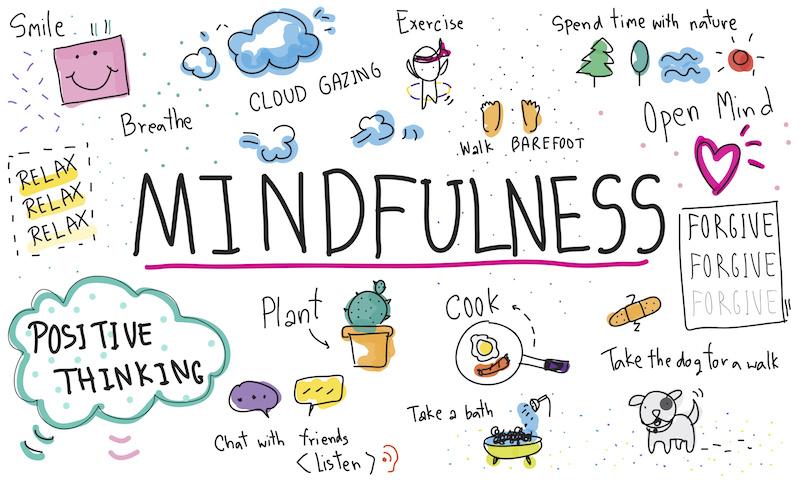
1. Breathing Exercises: A simple practice of breathing exercises can be performed by educators anytime they have brief moments between their classes. Breathing exercises help educators relax mentally and reduce stress.
2. Body Scan Meditation: Through Body Scan Meditation, educators learn to lie down or sit comfortably before moving their awareness through each body part while releasing tension during the process. This method is an efficient way to relax and recover.
3. Mindful Walking: During a hectic day, Mindful Walking offers students a quick break when they walk mindfully while feeling their feet touch the ground one at a time.
4. Loving-Kindness Meditation: Through Loving-Kindness Meditation, practitioners learn how to send positive thoughts both to themselves and others, which builds compassion between individuals. The practice serves well in handling challenging situations with students or colleagues.
5. Guided Meditations: The use of guided meditations found both online and in apps provides structured mindfulness practice to assist beginners in meditation.
Integrating Mindfulness into Teaching Practices
1. Mindful Moments in Class: Educational sessions should contain brief mindfulness practices that benefit students by helping them maintain their focus and reach relaxation. The practice requires only one minute of deep breathing combined with a few seconds of body scanning.
2. Mindful Communication: The practice of mindful listening and speaking improves communication between students and colleagues. The practice promotes both attentive listening and considered replies, which result in enhanced interactions between people.
3. Creating a Mindful Classroom Environment: A mindful classroom environment emerges when teachers design spaces using calming colors and nature sounds, which establish peaceful conditions for learning.
4. Mindfulness-Based Lesson Plans: The development of mindfulness-based lesson plans enables students to build emotional intelligence skills while gaining self-awareness abilities.
Overcoming Challenges to Mindfulness Practice
2. Skepticism: School personnel who doubt mindfulness can overcome their skepticism through a brief personal experience of its positive impact.
3. Support from Colleagues and Administrators: A school-wide mindfulness initiative receives backing from both colleagues and administrators, which helps educators maintain their mindfulness practice.
Implementing Mindfulness in Schools
Schools serve as key institutions to support mindfulness development among their teaching staff. Schools establish well-being and resilience cultures through their professional development programs, which include mindfulness training or by implementing mindfulness workshops. Educational benefits from mindfulness implementation spread to students, which creates better learning conditions for both groups.
Conclusion
The practice of mindfulness provides teachers with an effective way to manage their stress and develop more effective teaching practices that lead to improved student achievement. Educators who practice mindfulness techniques in their daily lives develop inner clarity and peace, which enhances their teaching effectiveness while providing them with satisfaction. Mindfulness integration across educational spaces shows promise to revolutionize both educators and educational settings, while developing environments grounded in compassion, creativity, and resilience. Educators who use pauses to harness their teaching passion will create a more supportive classroom environment that better engages their students. Implementing this approach benefits teachers and supports the development of a more effective educational system.

The Ripple Effect: How Teacher Growth Impacts Student Success
When teachers grow professionally, students succeed through an ongoing cycle that improves both groups. Teacher growth creates positive classroom effects that lead to better student outcomes. This paper examines how educator development improves student outcomes and highlights its essential role in educational systems.
Teacher Growth: The Foundation of Student Success
The continuous development of educators’ professional skill sets constitutes teacher growth, leading to improved instructional techniques, broader educational competencies, and greater teaching expertise. The educational expansion extends beyond new techniques or technological acquisition, as it establishes a perpetual mindset of learning and growth among educators.
Teachers who participate in purposeful professional development programs learn to create stimulating instructional materials, strengthen their classroom command, and adapt to diverse student needs. Tactical enhancements enable teachers to create classrooms that welcome all learners and boost their academic motivation and self-assurance in achieving success.
The Impact on Classroom Environment
The classroom is the most visible location where teacher development has its effects. Professional development helps educators build the skills to create learning-friendly educational spaces. These teachers master behavior management and use technology to improve teaching quality and develop instructional methods that meet diverse student needs.
A teacher with knowledge of differentiated instruction transforms classroom content into personalized lessons that provide the best possible learning conditions for every student. The tailored teaching method increases students’ interest and drive, resulting in better academic performance.
Enhanced Instructional Practices
Teachers’ professional progress leads to improved teaching methods, which directly improve student learning outcomes. The educational proficiency of teachers who participate in professional development enables them to create lessons that meet curriculum requirements while being challenging and relevant.
Teachers who have completed project-based learning training can design lessons that foster critical thinking, collaboration, and creativity among their students. The combined effect of such tasks enables students to grasp educational concepts more deeply while teaching them valuable skills for addressing real-world challenges, such as problem-solving and teamwork.
Building Strong Teacher-Student Relationships
Student achievement relies heavily on favorable interactions between teachers and their students. Educational professionals who continue their professional growth develop superior abilities in building positive relationships with their students. Educators who have Stanley Habus’ reflection experiences develop skills in communicating effectively, providing beneficial feedback, and demonstrating authentic student care.

These relationships cultivate classroom trust and a sense of belonging, which are essential for their personal and intellectual growth. Students who receive support and value from their teachers become more confident in taking risks and asking questions, and fully participate in their learning activities. These principles apply to students of all ages and backgrounds, from elementary school students to young adults attending vocational trade schools.
The Practice of Developing Growth Mindsets within Students
Teachers who possess a growth mindset demonstrate a better ability to teach students the same mindset. Academic abilities grow when students dedicate themselves wholeheartedly to developing their skills rather than accepting their abilities as unchangeable fixed attributes.
Educators who model and teach growth mindsets help learners transform obstacles into developmental opportunities rather than ego-threatening situations. Through this mindset shift, students can use failures for educational purposes while maintaining persistence and working toward ongoing improvement.
The Role of Feedback in Teacher Growth
Teacher growth depends heavily on feedback, as this practice reveals both the skills educators excel at and the areas they should develop further. Teachers who accept feedback from peers and mentors, and students use this information to enhance their teaching methods.
The feedback process enables teachers to develop skills to give students high-quality feedback that supports learning and development. Teachers provide effective guidance to students through detailed feedback, showing them their areas for improvement and how to achieve better results.
Addressing Equity and Inclusion
Education requires teacher development to effectively address equity and inclusion in the classroom. Educators with expanded knowledge of student diversity requirements develop better abilities to construct learning environments that serve all learners.
Equity-focused professional development enables educators to learn effective methods for recognizing bias and combating prejudice, as well as for implementing diverse instructional perspectives and providing equal educational opportunities for all students. TopTradeSchools.com, an online resource for aspiring trade and vocational school students, highlights institutions that focus on teacher and student diversity.
The Long-Term Impact on Student Outcomes

Teacher development has enduring effects on educational achievement because it shapes both students’ academic progress and their personal development. Educational success under supportive teaching leads students to develop an enduring passion for learning beyond school.
The skills students acquire in these learning spaces prepare them for success in higher education and in professional life. Educators develop students into adaptable, resilient professionals by focusing on critical thinking, creativity, and collaboration, helping them succeed in the dynamic world.
Conclusion
Students’ educational achievements are significantly enhanced when teachers develop their professional capabilities. Teacher professional development leads to classroom environments that are more exciting, supportive, and welcoming for all students. The learning environment strengthens when teachers develop professionally, leading to better academic outcomes and emotional health, and a lasting interest in education.
Educational excellence requires essential investments in teacher development, as these investments provide the foundation for success. Schools should establish initiatives that support teachers, as these programs provide a direct path to student achievement. A comprehensive educational strategy that supports teacher development and student achievement will be critical to advancing education beyond 2025 and ensuring students reach their full potential.

How Teachers Can Prevent Burnout and Thrive Again
The education sector faces widespread teacher burnout due to long-term stress, heavy workloads, and the emotional responsibility of helping students. Through appropriate educational strategies, teachers can prevent burnout and regain their teaching enthusiasm. The article provides specific strategies for teachers to maintain their well-being while achieving career success.
Understanding Teacher Burnout
The combination of persistent stress eventually results in complete exhaustion of the body, mind, and emotional well-being. The main factors causing teacher burnout include excessive workload, insufficient resources, and the psychological burden of caring for students. The symptoms of burnout include chronic fatigue, irritability, decreased teaching performance, and feelings of detachment. The early detection of these signs remains vital because it enables teachers to prevent burnout from worsening. Teachers who experience burnout begin to doubt their ability to impact students, develop emotional distance from their pupils, and lose their passion for their work.
Prioritizing Self-Care

Preventing burnout requires attention to personal care. Teachers prioritize their students above all else, yet they must maintain their own well-being because it leads to sustained career achievement. The combination of exercise, proper nutrition, and sufficient rest enables teachers to gain more energy while developing greater resilience. Practicing meditation alongside yoga helps teachers manage their stress and improve their ability to focus. Teachers who schedule time for hobbies and relaxation activities develop better mental and emotional recharge. Unrelated activities such as reading, painting, and playing music offer teachers a much-needed rest while developing their creative potential.
Setting Boundaries
Teachers need to clearly separate their work duties from personal time to prevent work-related exhaustion. Teachers need to avoid both work-related duties and email correspondence at times outside their school hours. A distinct boundary helps teachers maintain their leisure time without regretting incomplete responsibilities. Educators should explain their personal boundaries to colleagues and administrators to develop mutual understanding about their time for personal activities. Work-life balance improves when teachers set practical expectations for their response times to students and parents.
Building Support Networks

Strong support networks provide teachers with substantial help in fighting burnout. Teachers need to build professional connections with colleagues who fully grasp the difficulties of teaching. Teachers who share their experiences and solutions develop a sense of unity that helps diminish feelings of loneliness. Mentorship programs, together with peer support groups, serve as supplemental ways for teachers to find guidance and encouragement. The networks offer members emotional support and opportunities to share best practices and work together on challenging tasks.
Streamlining Workloads
Workload management enables teachers to avoid overwhelming situations. Teachers should prioritize time on activities that directly advance student learning outcomes and reduce time on less important responsibilities. Teacher workload becomes lighter when they assign tasks to others or work together with their colleagues. The adoption of technology tools in grading tasks alongside lesson planning reduces time requirements and boosts operational effectiveness. The adoption of digital platforms for assignments and feedback tasks reduces paperwork, allowing teachers to gain additional time for teaching and mentoring activities.
Fostering a Positive Classroom Environment
A positive learning environment improves the experiences of teachers and their students at school. The development of mutual respect between educators and students, alongside engagement and enthusiasm, leads teachers to experience better job satisfaction. Small classroom achievements, such as student accomplishments and innovative lesson plans, help teachers rediscover their love for education. Student involvement with autonomy develops classroom communities based on shared responsibilities.
Seeking Professional Development

Teachers who participate in continuous learning activities maintain their career motivation while staying dedicated to their profession. Professional development programs equip teaching professionals with modern insights and creative teaching methods, along with new skills that enhance their instructional performance. Educational workshops, together with conferences, enable teachers to connect with peers who have common educational objectives. Educational events inspire new teaching strategies, helping teachers learn about current instructional methods and technological advancements.
Advocating for Systemic Change
Systemic changes are needed to address teacher burnout, despite individual efforts to improve fully. Educators who join unions or work alongside administrators can secure better resources, smaller class loading, and equitable compensation. The promotion of teacher well-being awareness leads institutions to establish supportive measures. Systemic changes resulting from advocacy work benefit teachers, students, and educational stakeholders as a whole.
Conclusion
Preventing burnout requires immediate actions that promote physical wellness, emotional strength, and career success. Teachers who implement self-care practices alongside boundary-setting, network-building, workload optimization, positive environment creation, professional advancement, and systemic advocacy will protect their well-being and resume their teaching careers successfully. Educators can sustain meaningful contributions through implemented strategies that help them manage their life balance. Educational success for teachers leads to student success, which creates better learning conditions for all members of the educational community.

Sustainable Teaching: Building a Career You Don’t Need to Recover From
Teaching is a career that combines high rewards and significant challenges. School teachers commit to developing students through personal sacrifice, sometimes at the expense of their own health. Teaching professionals experience burnout when they do not manage their long hours and emotional demands along with multiple duties effectively. Sustainable teaching provides teachers with a way to build a rewarding career that keeps them energized and avoids extensive recovery time. Educators who implement strategies that focus on balance, together with well-being and efficiency, create careers that deliver meaningful results and sustain their professional journey.
Understanding Sustainable Teaching
Teachers who practice sustainable teaching establish procedures that enable them to succeed in their work without compromising their personal time. This approach emphasizes sustaining energy levels and enthusiasm, along with health, over an extended period. The teaching career is more like a marathon than a sprint, thus demanding approaches that promote professional longevity.
Prioritizing Self-Care

Sustainable teaching depends on teachers practicing self-care as its fundamental principle. When teachers focus on their students’ needs rather than their own, they risk burning out and losing their classroom effectiveness. The three pillars of physical and mental health maintenance consist of exercise, healthy eating habits, and sufficient rest. Teaching professionals should pursue activities beyond their work responsibilities to obtain the relief they need from their occupational requirements.
Teachers who practice mindfulness techniques, such as meditation or yoga, develop better stress-management skills, which help them maintain presence in their daily activities. When teachers dedicate time to self-care activities, they gain the ability to start their work with greater energy.
Setting Boundaries
Sustainable teaching requires teachers to set clear boundaries between their work and personal lives. Teaching professionals face continuous pressure to remain accessible at any time, as they must answer emails throughout the night and complete work on their personal days. Being always reachable leads to professional exhaustion.
Teachers should set specific work hours to clearly separate their professional duties from their private lives. Teachers must establish clear work boundaries and communicate them to their colleagues, students, and parents to foster mutual understanding and respect. Teachers who protect their personal time achieve better work-life balance, helping them avoid becoming overwhelmed.
Streamlining Workloads

Teaching sustainability requires efficient work methods. Teachers should focus their time and energy on essential student learning activities that yield maximum results while reducing their time spent on non-essential tasks. The use of technology tools in grading and lesson planning eliminates both time and effort requirements.
The reduction of workload depends heavily on teachers who collaborate with their colleagues. Teamwork develops through co-planning lessons, resource sharing, and delegation of responsibilities, which reduces individual workload. Teachers can achieve superior educational results through strategic work methods rather than excessive effort, which can lead to burnout.
Fostering Positive Relationships
The development of strong connections with students, colleagues, and administrators creates a supportive work environment. The development of positive interactions among teachers builds a school community and a shared purpose, which helps teachers address their teaching challenges. Teachers should celebrate student accomplishments alongside team successes, as these events boost school morale and enhance the joy of teaching.
Conclusion
Sustainable teaching produces an energizing career experience instead of one that causes exhaustion. Educators who make self-care a priority, along with boundary-setting, efficient workload management, and relationship-building, will develop careers that provide satisfaction without requiring recovery. Teachers benefit through this approach, which leads to improved student learning because educators deliver their best performance every day at school.