
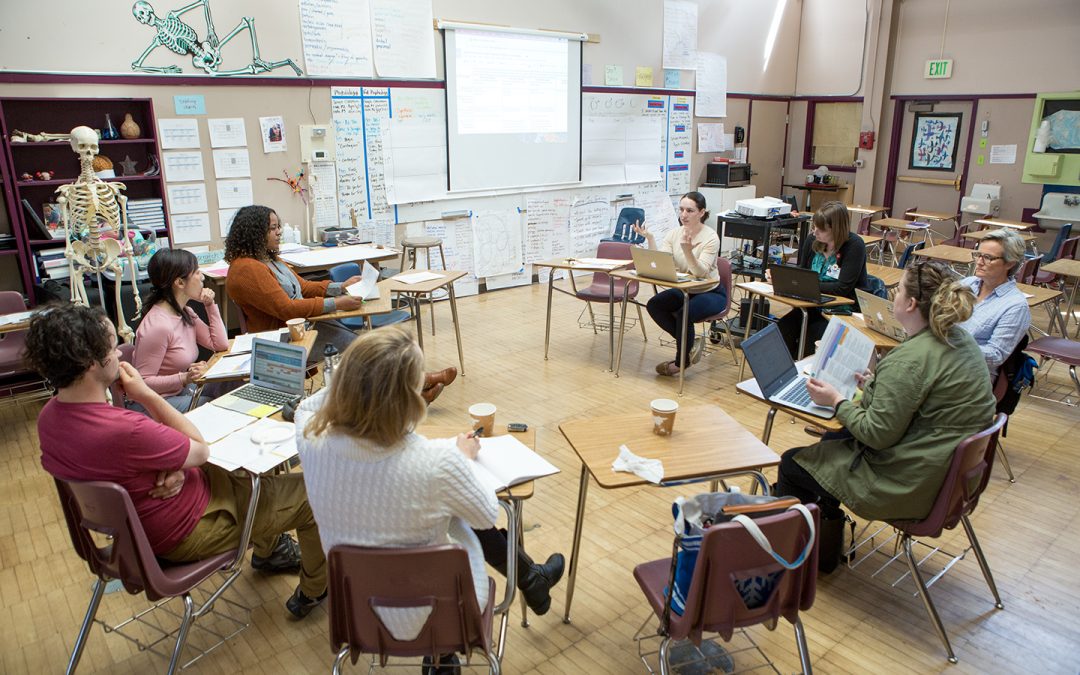
Teaching as a profession demands that educators continuously learn while demonstrating creativity and resilience. Educators dedicate themselves to student development, yet they often neglect creating professional support systems for their own needs. The network proves essential for teachers to address teaching challenges and learn best practices while ensuring wellness in their personal and professional lives. If you want to advance your career and improve student outcomes, build and use strong professional networks as described below.
Why Teachers Need a Support Network
In the teaching profession, educators work alone in most situations, managing their classrooms independently. The negative effects of isolation become burnout and stagnation unless teachers find ways to address these issues. A professional support network enables teachers to connect with peers who understand their workplace difficulties and share knowledge and emotional support through mutual resources.
The network exists to help teachers get assistance, but it also enables them to support others. Contributing to an educator community enables teachers to improve their capabilities, gain fresh perspectives, and develop leadership competencies.
Identifying Potential Network Members

Professional network building requires finding members who can advance your teaching expertise. These may include:
Colleagues: Teachers from your own department and school can immediately help you by drawing on their experience in your shared educational environment.
Mentors: Experienced educators who understand your situation can provide mentorship and professional guidance to help you grow.
Professional Associations: Local and national teaching associations offer educators from diverse backgrounds the opportunities to attend workshops and conferences while sharing ideas through online forums.
Online Communities: Educational social media networks, together with teacher-specific online communities, enable educators to establish global connections through which they can exchange teaching materials and best-practice insights.
Strategies for Building Your Network
Building a professional support network requires deliberate action and active involvement on your part. Building a robust professional network requires you to follow these specific strategies:
Attend Professional Development Events: Educational conferences, seminars, and workshops are ideal settings for educators to meet peers and discover innovative teaching approaches.

Join Online Forums and Groups: Share teaching resources by joining social media groups or online forums designed for educators who want to connect with peers worldwide.
Volunteer for School Initiatives: Participation in school-wide initiatives through committees helps teachers develop friendships within their staff and prove their leadership abilities.
Host or Participate in Peer Coaching: Teaching practices develop through peer coaching sessions, where you receive feedback and support for professional development.
Benefits of a Professional Support Network
When teachers establish strong professional relationships with peers, they gain multiple advantages that improve their professional experience.
Emotional Support: Sharing teaching experiences with colleagues helps teachers cope with their emotional workload and stress levels, thereby reducing their sense of isolation at work.
Professional Growth: Working with colleagues enables you to discover modern educational methods and technological tools that enhance your teaching.
Resource Sharing: The exchange of educational content between network members allows them to save time while improving their teaching effectiveness through shared lesson plans and materials, and innovative approaches.
Career Advancement: Professional relationships within strong networks will advance your career by allowing you to connect with influential administrators and educators.
Maintaining and Expanding Your Network
Building and expanding your professional support network takes ongoing effort after it’s established. The following methods will help your network stay both prosperous and beneficial:

Regular Communication: Network members should maintain contact through emails, meetings, or online group discussions to sustain active relationships.
Reciprocity: You should provide your network members with help and resources to develop a system of shared support.
Continuous Learning: Continuous professional development helps you maintain current best practices so you can share new knowledge with your network members.
Mentorship: Mentoring new teachers helps you provide community support and build leadership skills.
The Impact on Student Success
A professional support network produces an important yet roundabout influence on student success rates. Educational institutions that support their teachers by motivating them and providing access to modern teaching methods create conditions that enable teachers to deliver better learning experiences.
Educational success improves when teachers create collaborative spaces that foster adaptable lessons that address diverse student needs while boosting classroom involvement. When teachers receive support and professional value, they tend to remain in their careers, which helps maintain student continuity.
Conclusion
Teachers need to build professional networks to advance their careers and improve student learning outcomes. Professional growth opportunities, including peer connections and mentoring relationships, as well as participation in organizations, enable educators to access resources and emotional support for their career development. The development of these networks will be critical for future educational institutions because they create collaborative classrooms, support teacher motivation and retention, and foster student inspiration. Educators who focus on professional networking will drive positive change that supports both their development and student success.
